Plan Your Trip
Choosing Between A Direct Route And A Scenic Route
The direct route and the scenic route aren't rivals, they're tools. The trick is knowing which job you're actually doing.

Every driving or rail journey between two points offers this choice eventually: take the motorway or highway and arrive with time to spare, or take the road that curves through the landscape and arrive later but having actually seen something. Neither choice is automatically correct, and the right one changes depending on a few specific factors worth checking before you commit.
What the direct route is actually good at
A motorway, seen from above, is honest about its purpose: it exists to move vehicles from one point to another as efficiently as possible. There's a kind of clarity in that. If you're arriving somewhere on a deadline, travelling overnight, or simply exhausted and wanting the trip over with, the direct route does exactly what it promises and nothing more.
It's also, often, the safer choice in bad weather, since motorways tend to be better maintained and better lit than the smaller roads that make up most scenic alternatives.

What the scenic route is actually good at
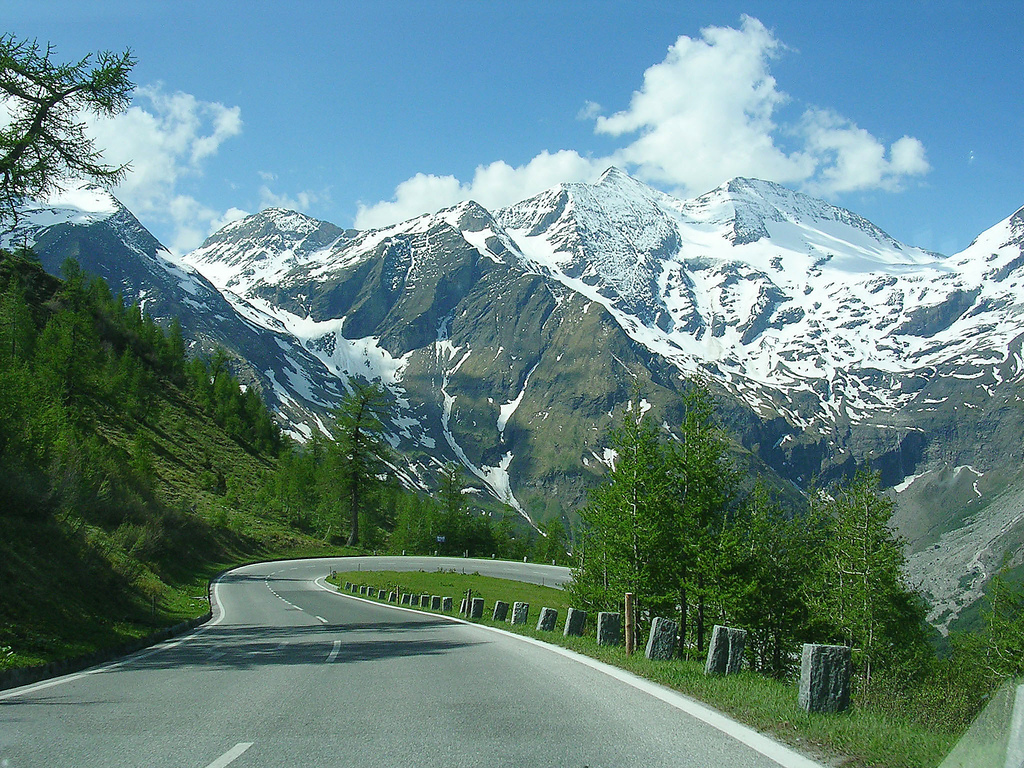
A winding country road through autumn countryside isn't trying to be efficient, and judging it by that standard misses the point entirely. Its value is in what it shows you along the way, farmland changing colour, small towns you'd otherwise never see, a change in elevation that a motorway would simply tunnel through.
The scenic route also tends to force a slower pace generally, more stops, more attention, which some travellers actively want on certain legs of a trip and actively don't want on others.
- Best when there's no fixed arrival time to hit
- Best when the drive itself is part of what you came for
- Best in good weather and daylight, since visibility matters more here


A quick way to decide
Ask three questions before choosing: is there a hard deadline at the destination, is the weather likely to be difficult, and does the landscape between the two points actually offer something worth seeing. If the answer to the first two is no and the third is yes, the scenic route usually wins.
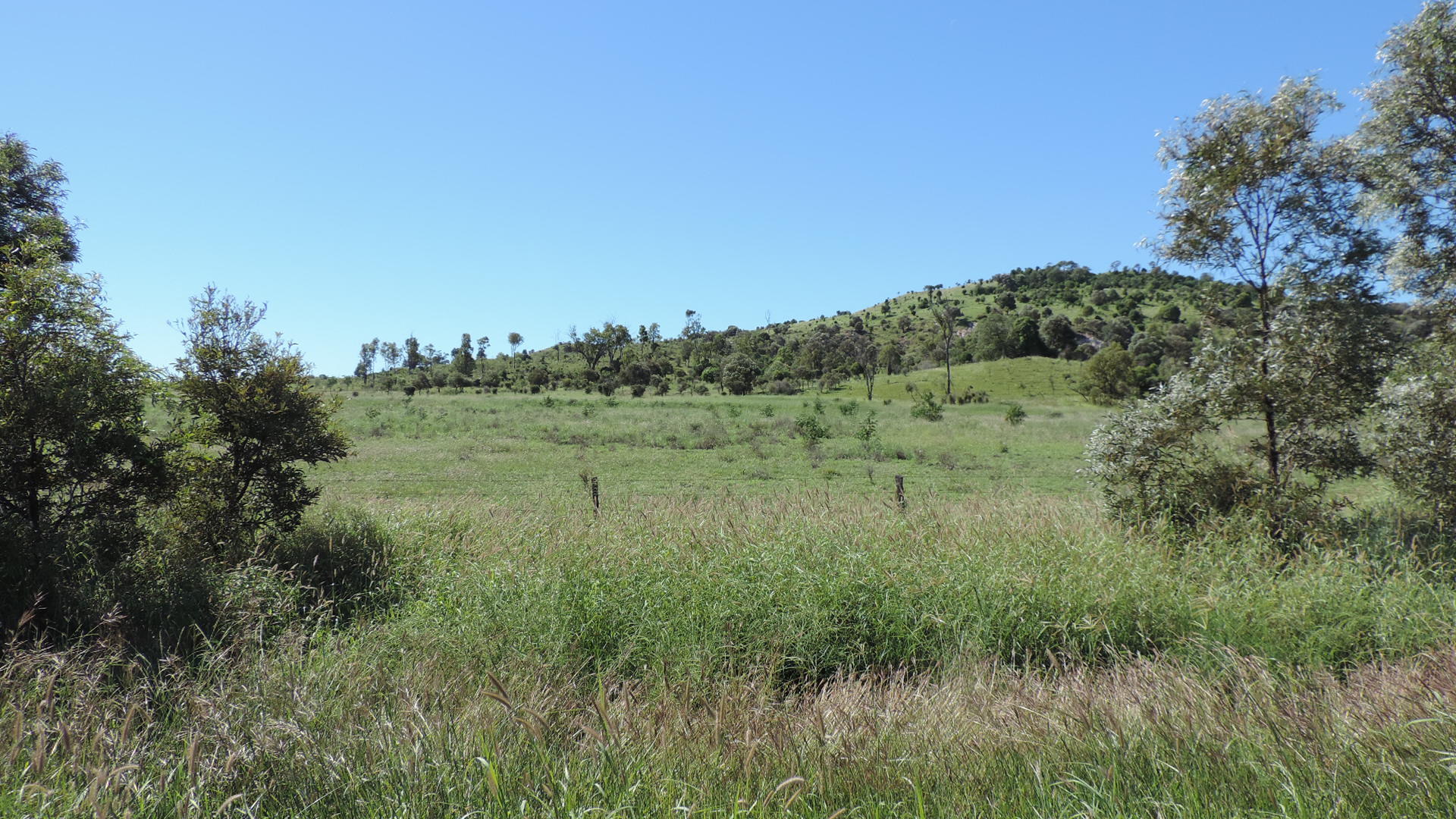
If any one of those flips, especially the deadline, the direct route through open landscape is usually the more sensible choice, even if it's the less romantic one.
Splitting the difference
It's rarely all or nothing. Plenty of journeys allow you to take the direct route for the bulk of the distance and peel off onto the scenic alternative for the last stretch nearest the destination, getting some of the atmosphere without the full time cost. This works especially well when the most interesting scenery is concentrated in one section rather than spread evenly across the whole route.
Keep going
Related reading
Travel Ideas
When A Longer Route Is Worth It
Adding time to a journey is only a mistake if the time gets spent badly. Sometimes it's the best part of the trip.

Travel Ideas
One Destination, Three Ways
Every journey between two cities has at least three shapes. Most people only ever take one of them.
- Milan
- ›Verona
- ›Vicenza
- ›Padua
- ›Venice

Routes
A Scenic Route Through Northern Italy
Lakes, mountains and a Roman arena, strung together without a single flight.
- Milan
- ›Lake Como
- ›Bolzano
- ›Dolomites
- ›Verona
Your Next Trip Doesn't Have To Be A Straight Line
Pick a city you already know, then find the loop around it. That is usually where the trip gets interesting.