Plan Your Trip
How Much Time To Leave For A Detour
Underestimate a detour and you'll rush through it. Overestimate and you'll waste a day standing around. Here's how to get closer to right.

Almost everyone who plans a detour gets the timing wrong at least once, usually by underestimating. A quick stop turns into three hours because the town had more going on than expected, or a full day gets allocated to somewhere that's genuinely done in ninety minutes. There's a method to getting this closer to right.
Start from the size of the place, not its reputation
A famous small town still takes roughly the time a small town takes to see properly, regardless of how much has been written about it. Reputation inflates expectations more than it inflates the actual physical size of a place, so check population and centre size before assuming a detour needs a full day.
As a rough starting point: a village or small town centre, two to three hours. A mid-size city, a full day. Anything with a major museum or site people travel specifically for, add half a day on top.

Factor in the transport gap, not just the visit
The time a detour actually costs is rarely just the time spent there, it's the time spent there plus the gap between trains or buses. A town that's genuinely two hours of interest can still eat up a full half-day if the connections back to your route only run every three hours.
This is where checking a bus station or railway platform's actual timetable in advance saves real frustration, since arriving to find the next connection isn't for three hours turns a pleasant stop into a stranded afternoon.
- Check both directions of the timetable before committing to a detour
- Add 30 minutes buffer either side for luggage storage or walking from the station
- If connections are infrequent, plan the detour around the timetable, not the other way round



Match the time to the type of traveller you're travelling with
A couple without children can often see a small town's centre in ninety minutes without feeling rushed. Add kids, elderly relatives or anyone who wants to sit down often, and that same stop can comfortably use up three hours. Be honest about your actual travelling pace, not an idealised one.
Leave slightly more time than you think, on the first detour of a trip
Early in a trip, before you've found your rhythm, detours tend to run long simply because everything is new and everyone's still figuring out how fast they walk together, how long lunch takes, how much energy is left by mid-afternoon. Give the first detour of a multi-stop trip more slack than later ones.
Keep going
Related reading

Plan Your Trip
How To Plan A Multi-Stop European Journey
Multi-stop trips fall apart in the gaps between cities, not inside them. Plan the gaps first.
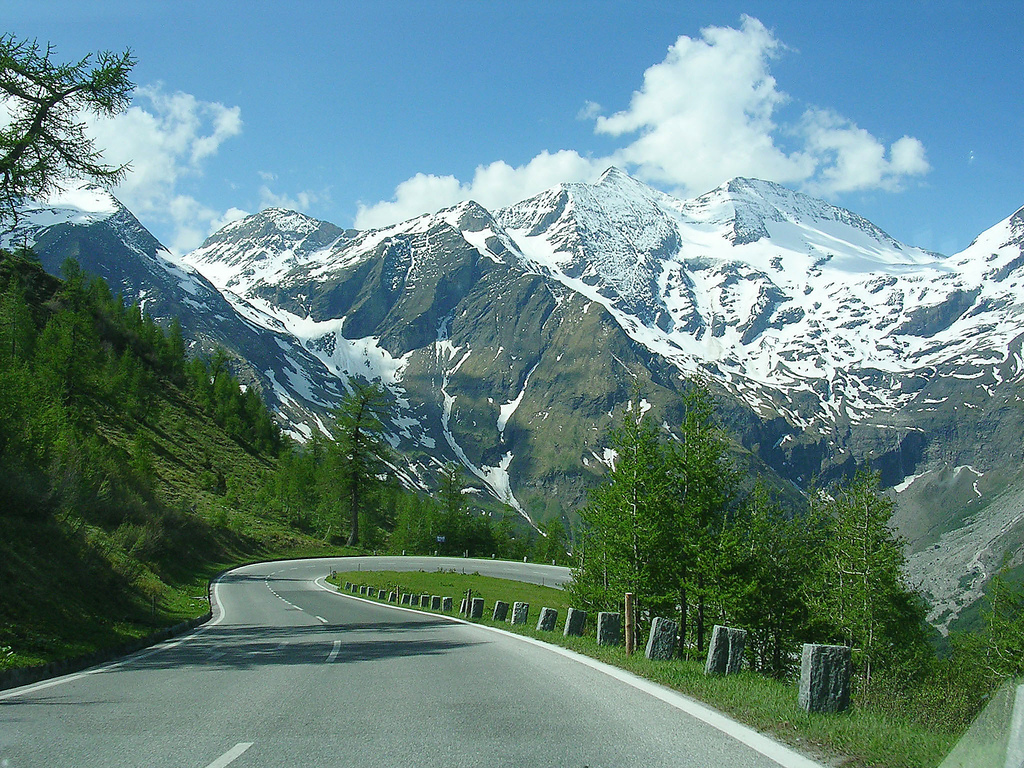
Travel Ideas
When A Longer Route Is Worth It
Adding time to a journey is only a mistake if the time gets spent badly. Sometimes it's the best part of the trip.

Travel Ideas
How To Find Good Stops Between Cities
The best stops between two cities rarely announce themselves. You have to know where to look.
Your Next Trip Doesn't Have To Be A Straight Line
Pick a city you already know, then find the loop around it. That is usually where the trip gets interesting.